When it comes to installing a new HVAC system, one of the first concerns for property owners is cost. Whether you’re a homeowner looking to upgrade your comfort system or a business owner responsible for maintaining a commercial building, understanding installation costs is key to making a smart investment. While both residential and commercial HVAC systems serve the same purpose, providing reliable heating, cooling, and ventilation, the differences in size, complexity, and performance requirements create very different pricing structures.
What Influences the HVAC Cost to Install?
The HVAC cost to install isn’t determined by the unit alone. Several factors come into play: building size, efficiency ratings, system design, and labor requirements. A small residential home might need only a standard split system, while a large commercial property could require a custom-engineered solution with advanced controls and zoning capabilities.
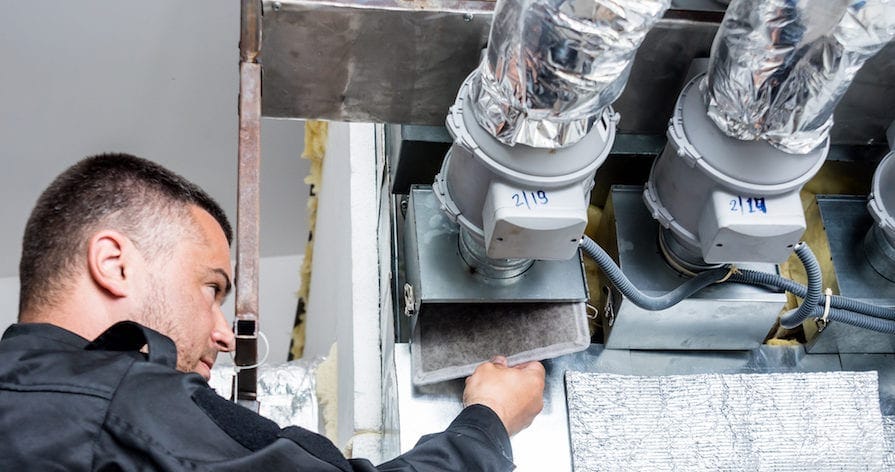
Regardless of property type, proper installation involves much more than placing a unit inside a building. Contractors must evaluate your space, calculate load requirements, design ductwork (or modify existing ducts), and ensure the system complies with local codes and efficiency standards. Choosing a qualified contractor is essential to get the job done right the first time and avoid costly mistakes later. Many Florida property owners rely on HVAC installation services in Cooper City for expert guidance, professional labor, and systems designed for long-term efficiency.
Residential HVAC Cost to Install: Streamlined and Predictable
For homeowners, installing an HVAC system is generally more straightforward. Residential HVAC units are typically standardized, making it easier to predict costs and timelines. A typical installation includes:
- Purchasing the unit (air conditioner, furnace, or heat pump)
- Adjusting or replacing ductwork if necessary
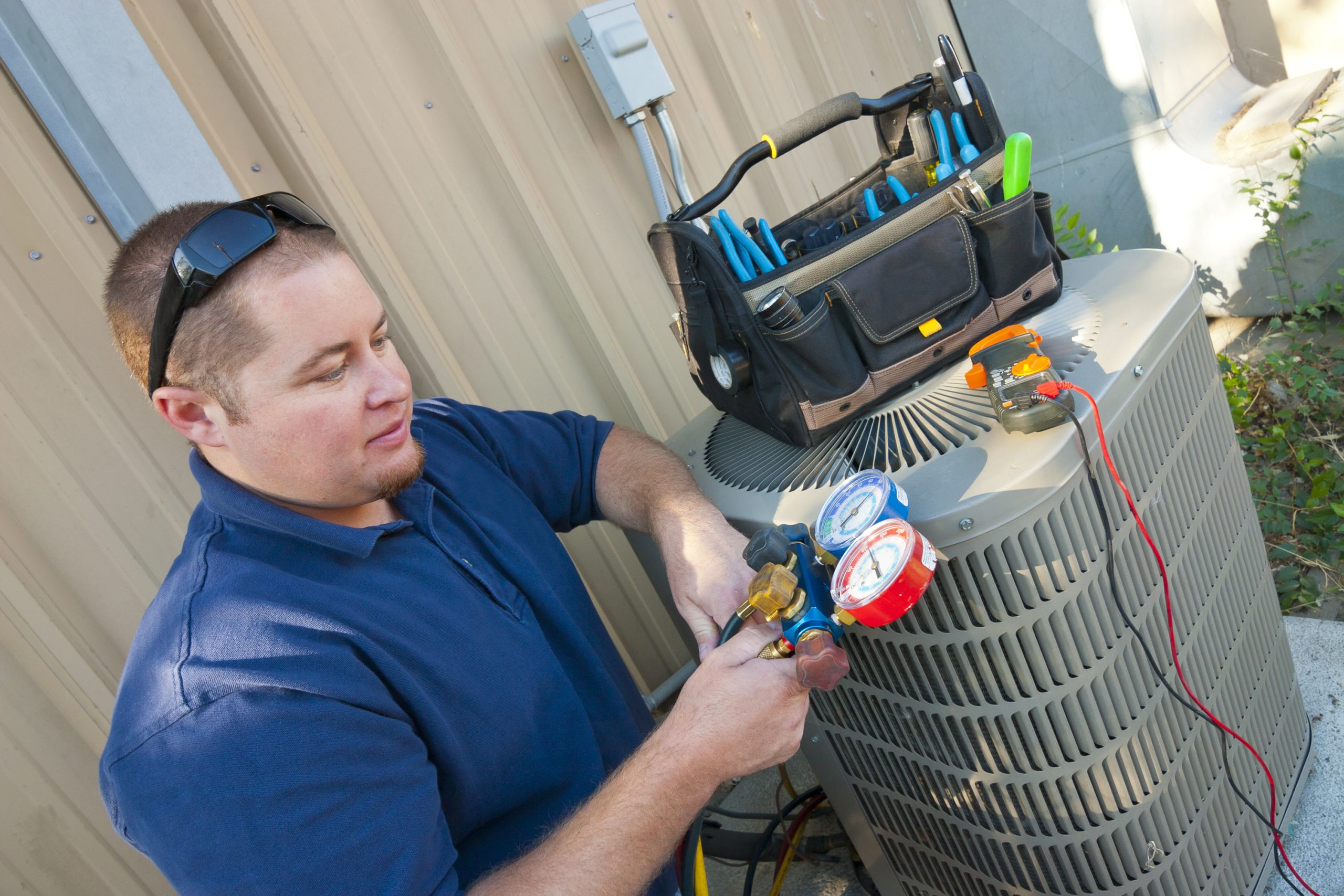
- Labor for installation, testing, and system calibration
- Optional upgrades like smart thermostats or higher-efficiency filters
The price varies depending on the unit’s capacity measured in tons or BTUs and its efficiency rating, such as SEER (Seasonal Energy Efficiency Ratio). Homeowners who opt for a high-efficiency unit will pay more upfront, but the investment often pays off in the form of lower monthly utility bills and fewer breakdowns.
Another cost consideration is the condition of existing ductwork. If your duct system is in poor shape or improperly sized, it could need repairs or replacement, adding to installation expenses. However, once installed correctly, a residential HVAC system is relatively easy to maintain and can last 10 to 15 years with routine service.
Commercial HVAC Cost to Install: Complex and Customized
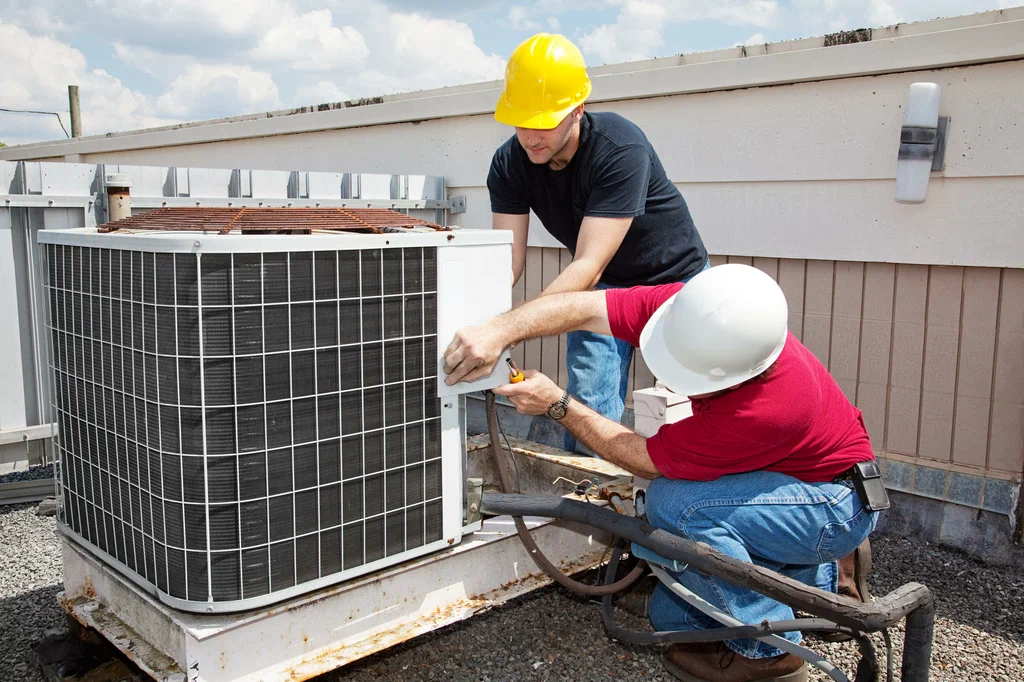
Commercial HVAC systems are a different challenge altogether. These systems must manage large spaces, variable occupancy levels, and strict ventilation requirements. Rather than relying on a simple split system, many businesses use rooftop units, packaged systems, or variable refrigerant flow (VRF) setups to ensure precise temperature control across multiple zones.
The HVAC cost to install in commercial environments is affected by:
- System type and size: Rooftop units, chillers, or VRF systems require specialized expertise.
- Advanced controls and automation: Commercial spaces often need building automation systems (BAS) for efficiency and centralized control.
- Stricter building codes: Compliance with commercial standards for indoor air quality and ventilation often increases installation complexity.
- Specialized labor: Larger systems require skilled technicians trained to work with heavy equipment and high-capacity duct systems.
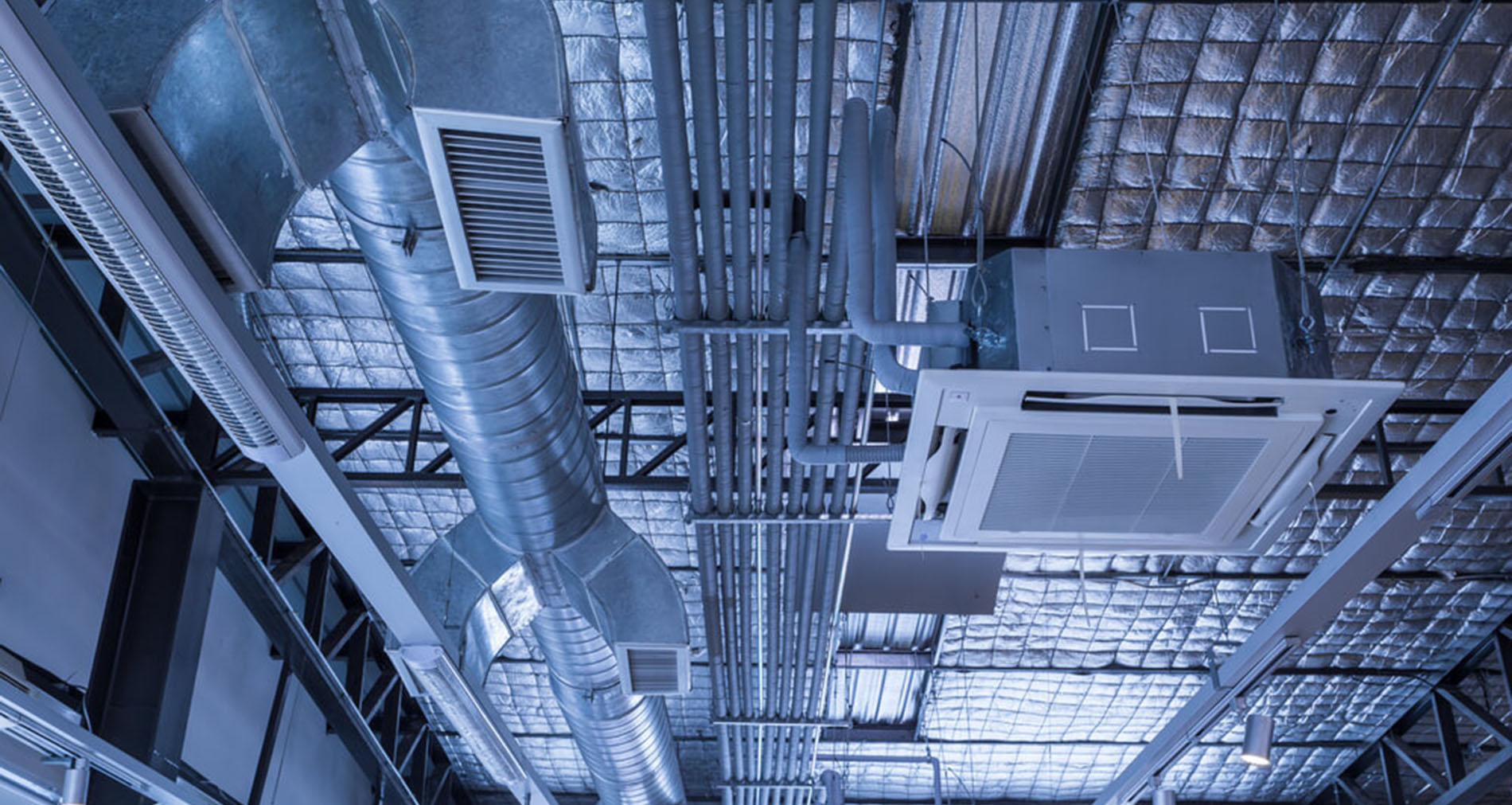
Because no two commercial buildings are alike, cost estimates vary widely. A warehouse, for example, may require fewer zoning controls but a high-capacity system, while an office building may need extensive ductwork, air quality management, and integrated control systems. Installation can also take longer, sometimes requiring work to be scheduled outside business hours to avoid downtime.
Long-Term Value: Why Upfront Cost Isn’t the Whole Story
While homeowners and business owners alike are often focused on installation costs, it’s important to look at the bigger picture. Choosing the lowest-priced system might save money today, but it can lead to higher energy bills, frequent repairs, and premature replacement.
A properly sized, energy-efficient HVAC system is an investment that pays off over time. High-efficiency models use less energy, provide consistent comfort, and reduce long-term operational costs. Partnering with experienced contractors ensures your system is matched to your building’s needs and that every component from ductwork to thermostats is optimized for performance. Local experts who provide HVAC installation services in Cooper City often offer detailed assessments and can recommend solutions that balance cost with energy savings.
Residential vs. Commercial: Which Is More Cost-Effective?
In terms of initial expense, residential systems are far less costly because they are standardized, smaller, and faster to install. Commercial systems, while more expensive upfront, are designed for heavy-duty performance and scalability. For business owners, investing in a properly designed commercial HVAC system can actually save money over time by improving energy efficiency, extending system life, and ensuring employee and customer comfort.
FAQs
What is the typical HVAC cost to install for residential homes?
Residential HVAC installations typically range from a few thousand dollars depending on the system size, efficiency rating, and whether ductwork modifications are required.
Why do commercial HVAC installations cost more?
Commercial systems are larger, more complex, and often customized to meet unique building demands, which drives up both equipment and labor costs.
Will choosing an energy-efficient system lower costs in the long run?
Yes. High-efficiency systems may have a higher upfront cost but use less energy and often come with rebates or tax incentives, making them cost-effective over time.
How do I get an accurate estimate for installation?
Request a detailed building assessment from a qualified contractor. They will measure your space, calculate load requirements, and recommend the right system for your needs.
Do both residential and commercial HVAC systems require maintenance?
Absolutely. Regular maintenance is critical for efficiency, performance, and longevity. Many companies in Cooper City offer affordable maintenance plans to keep systems running smoothly.
Final Thoughts
The HVAC cost to install varies dramatically between residential and commercial properties due to differences in size, complexity, and customization needs. Homeowners enjoy predictable pricing and quick installation, while businesses must plan for advanced systems designed to meet demanding performance standards. In either case, partnering with experienced professionals ensures your system delivers reliable comfort, long-term savings, and peace of mind.
Lorem ipsum dolor sit amet, consectetur adipiscing elit. Ut elit tellus, luctus nec ullamcorper mattis, pulvinar dapibus leo.