When it comes to keeping your home or business comfortable year-round, few systems are as essential as your HVAC system. Short for Heating, Ventilation, and Air Conditioning, this integrated system goes far beyond simply blowing warm or cool air. It ensures consistent temperature control, filters indoor air, and creates a healthier environment by maintaining balanced humidity levels. But what exactly is an HVAC system, and how does it all come together to work so seamlessly?
Understanding the Basics of an HVAC System
At its core, an HVAC system is a network of components designed to regulate your indoor climate. Whether you live in a single-family home or operate a large commercial building, the purpose is the same: to keep interior spaces comfortable regardless of outside weather.
The “heating” portion often comes from a furnace or heat pump, providing warmth during cooler months. The “ventilation” part refers to moving air through ducts, vents, or natural airflow systems to ensure stale indoor air is replaced with fresh air. Finally, the “air conditioning” component keeps you cool during hot weather by removing heat and moisture from indoor air. Together, these elements make an HVAC system a year-round comfort solution.
How Does an HVAC System Work?
Although systems vary in size and design, most HVAC systems share the same basic operation:
- Air Intake and Conditioning – The system pulls air from inside (or outside) through return vents and filters it to remove dust, allergens, and pollutants.
- Heating or Cooling – Depending on the thermostat setting, the air passes through a furnace or an air conditioner/heat pump. Furnaces heat the air using natural gas, propane, or electricity, while air conditioners and heat pumps cool it using refrigerant.
- Distribution – Conditioned air is pushed through ductwork and vents to evenly heat or cool every room.
- Exhaust and Ventilation – Stale air is either vented outside or replaced with fresh air, maintaining a healthier indoor environment.
Thermostats play an important role, constantly monitoring temperature and signaling the system to adjust. Modern smart thermostats make this process even more efficient by learning your preferences and minimizing energy waste.
Key Components of an HVAC System
While every system is unique, several components are found in almost all residential and commercial setups:
- Furnace or Heat Pump – Provides heat during colder weather.
- Air Conditioner or Cooling Unit – Removes heat and moisture in warm weather.
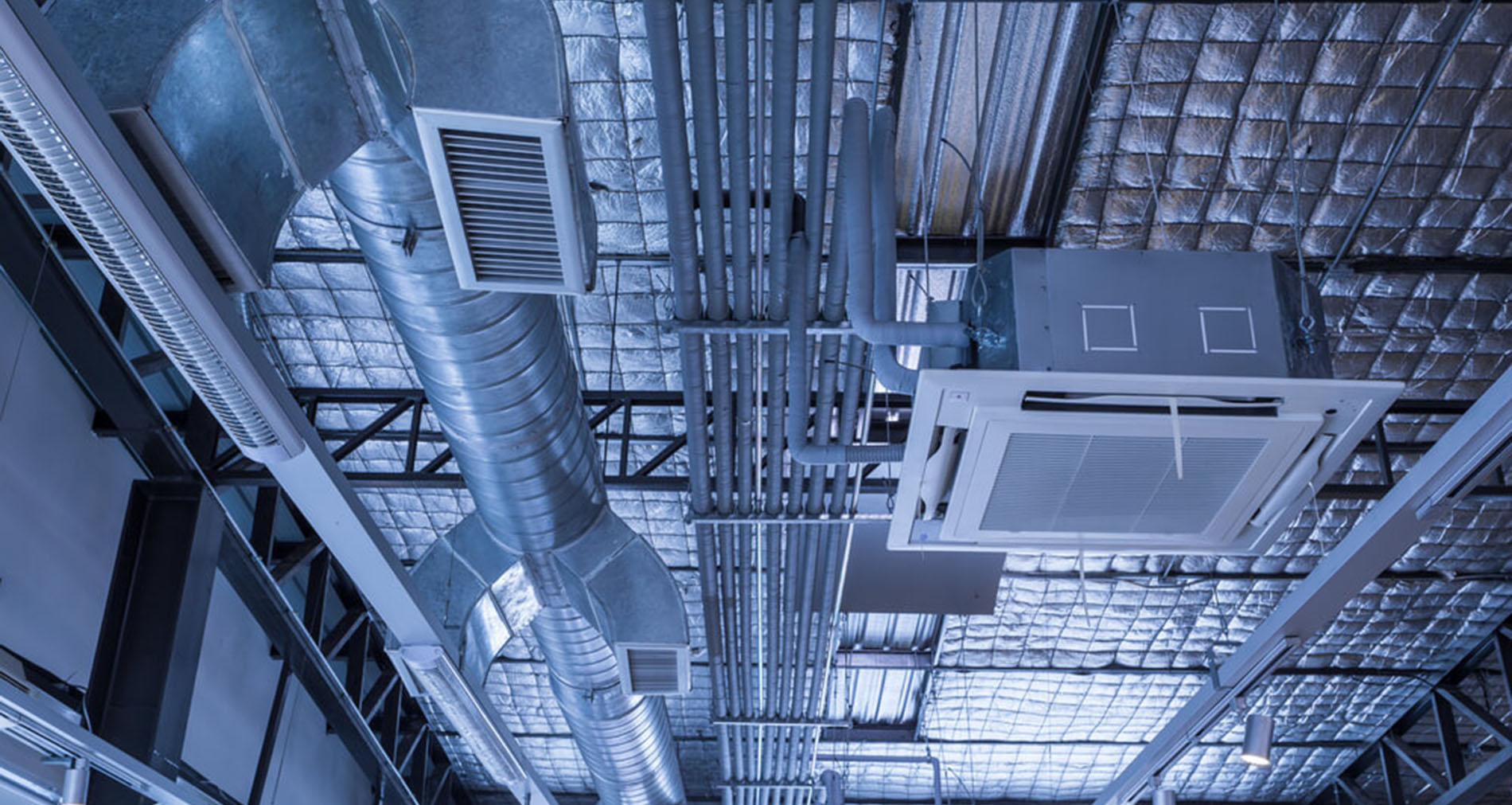
- Ductwork – Channels conditioned air throughout the building.
- Air Handler and Blower – Moves air through ducts and into living spaces.
- Thermostat – The control center of the entire system.
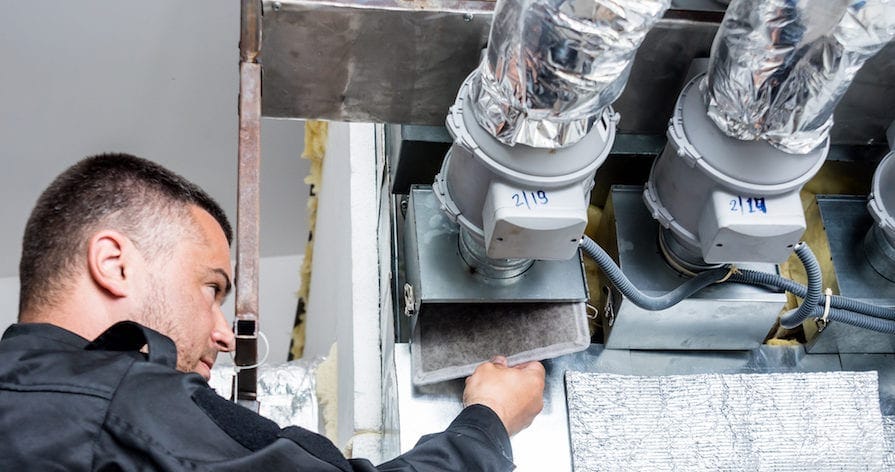
- Air Filters – Trap dust, allergens, and contaminants to improve air quality.
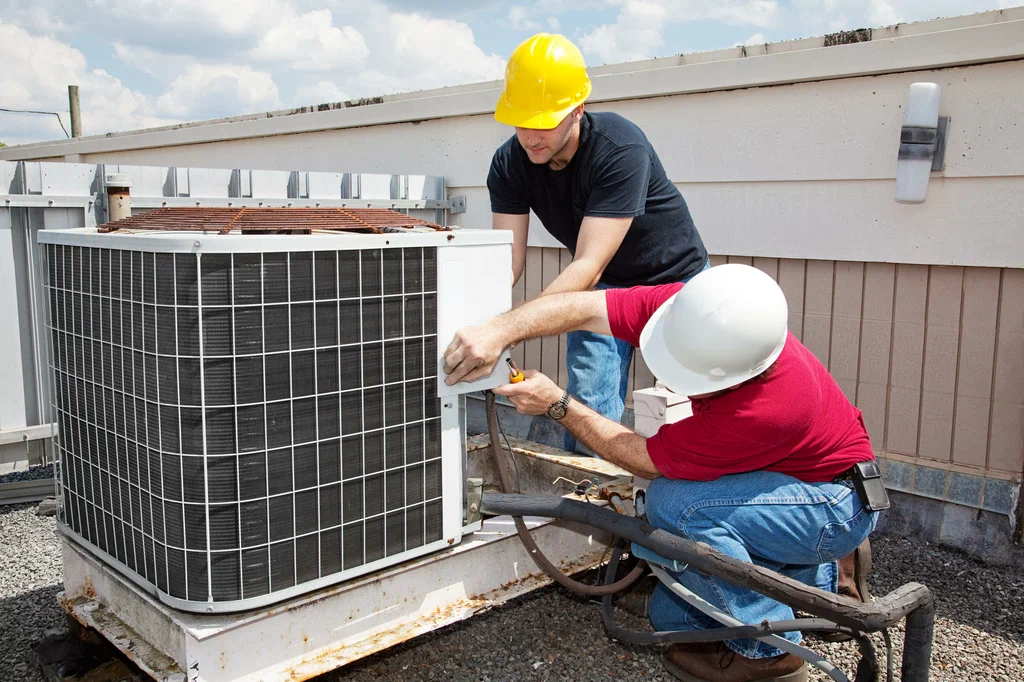
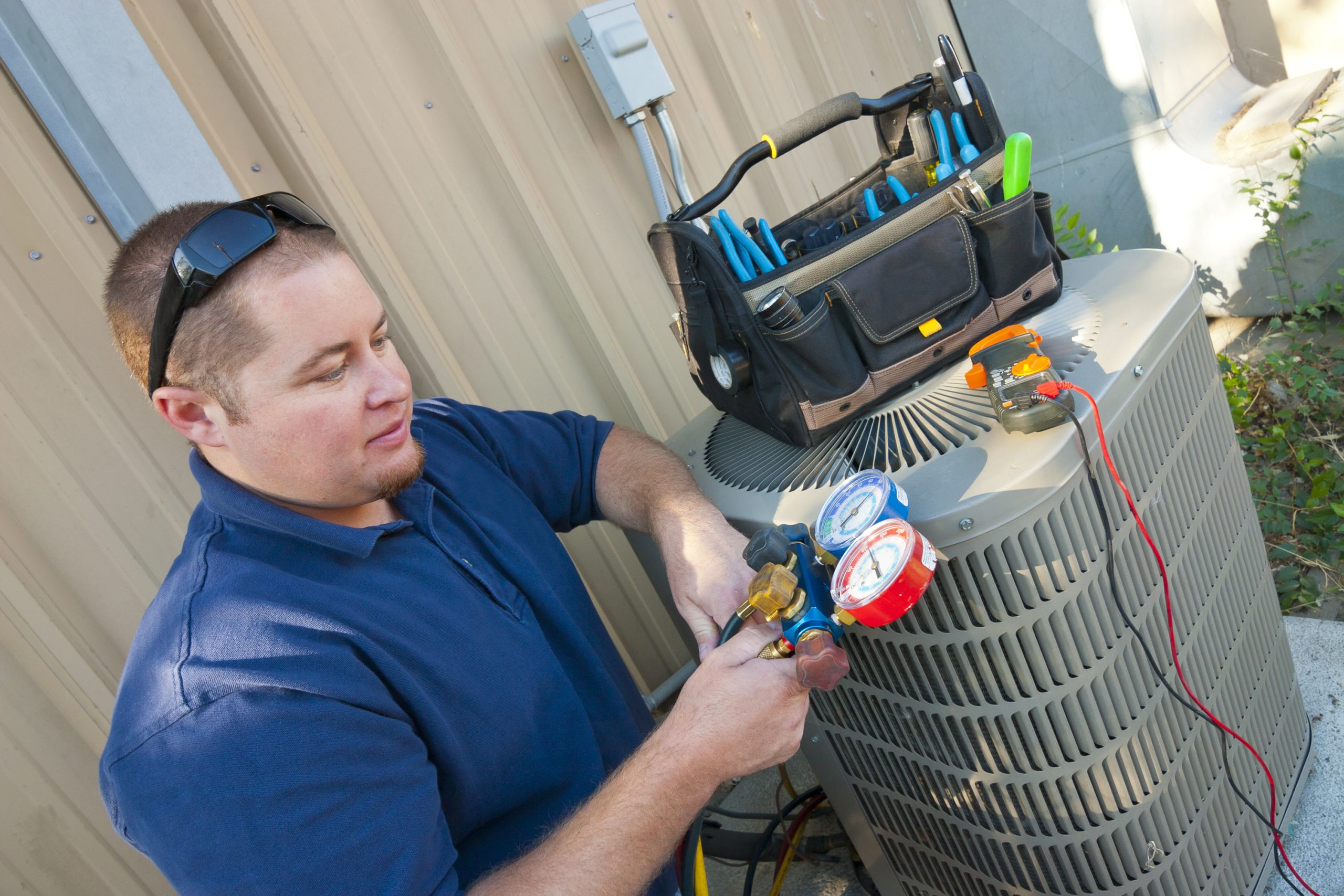
These elements must work in harmony, and even one failing part can cause a noticeable drop in comfort or efficiency. That’s why HVAC Repair Services are essential when you notice unusual noises, inconsistent temperatures, or rising energy bills.
Benefits of an Efficient HVAC System
A properly maintained HVAC system offers far more than just comfort. It reduces energy consumption, improves indoor air quality, and extends the lifespan of the equipment. Routine tune-ups help prevent breakdowns, while timely HVAC System Upgrades Services in Cooper City can modernize your system with energy-efficient components, saving you money in the long run.
Newer systems are designed to meet higher efficiency standards, often featuring variable-speed motors, better insulation, and programmable thermostats. For both homeowners and business owners, these upgrades translate into lower operating costs and a smaller carbon footprint.
Do Residential and Commercial HVAC Systems Differ?
Yes, though the principles are the same, commercial HVAC systems are generally larger, more complex, and built to handle greater demand. Residential systems usually serve one home, while commercial systems may need to control multiple zones or even entire floors of a building. Commercial HVAC units are often modular, allowing for easier expansion or replacement as building needs change.
Regardless of scale, both types require regular maintenance and occasional upgrades to ensure peak performance.
FAQs
How often should I service my HVAC system?
At minimum, schedule maintenance twice a year once before summer and once before winter. Regular servicing helps prevent major repairs and ensures your system runs efficiently.
What’s the average lifespan of an HVAC system?
Most systems last between 10 and 15 years, though regular maintenance can extend their lifespan. When efficiency drops significantly, it’s worth considering HVAC System Upgrades Services.
How do I know if my HVAC system needs repair?
Signs include strange noises, inconsistent temperatures, reduced airflow, or higher utility bills. These symptoms usually mean it’s time to call for HVAC Repair Services before small issues turn into major problems.
Can upgrading my HVAC system save money?
Absolutely. Modern systems use less energy, often lowering monthly utility bills by 20–30%. They also require fewer repairs over time.
Are smart thermostats worth adding to my HVAC system?
Yes. Smart thermostats improve efficiency by automatically adjusting temperature settings to fit your schedule, helping you save on energy costs without sacrificing comfort.
Final Thoughts
Your HVAC system is more than just a convenience it’s a critical part of your property’s comfort, health, and energy efficiency. Whether you’re maintaining an older system, scheduling routine service, or considering major upgrades, understanding how HVAC works puts you in control. With proper care and expert assistance, you can ensure your system provides reliable comfort for years to come.
If you’re ready to enhance your indoor comfort, Cool Air Techs offers HVAC Repair Services and HVAC System Upgrades Services tailored to your needs. Our experienced team can help you maintain or modernize your system to achieve maximum performance and savings.